

sanatechoobeiran.ir
دانشنامه چوب ایران
عباس صدقی- معصومه جعفری
مقاله شماره 2
ساختمان درخت؛ آشنایی با اجزا، ساختار و عملکرد درختان
دانشنامه چوب ایران (Iran Wood Encyclopedia)
عنوان ( Title): ساختمان درخت چیست؟ معرفی کامل اجزای درخت و عملکرد هر بخش
sakhteman-derakht
توضیحات ( Description):
ساختمان درخت را به زبان ساده و علمی بشناسید. در این مقاله با اجزای اصلی درخت شامل ریشه، تنه، پوست، کامبیوم، چوب برون، چوب درون، تاج و برگها و نقش هر بخش در رشد درخت آشنا شوید.
________________________________________
مقدمه
درختان از مهمترین سرمایههای طبیعی کره زمین هستند و نقشی اساسی در حفظ تعادل اکوسیستم، تولید اکسیژن، جذب دیاکسید کربن و تأمین مواد اولیه صنایع چوب دارند. شناخت ساختمان درخت، نخستین گام برای درک ساختار چوب، ویژگیهای فیزیکی و مکانیکی آن و همچنین فرآیندهای رشد و تشکیل بافت چوب است.
در علوم چوب و صنایع چوب، آشنایی با ساختمان درخت اهمیت ویژهای دارد، زیرا کیفیت چوب، مقاومت، رنگ، بافت، دوام و بسیاری از ویژگیهای آن به ساختار و نحوه رشد درخت وابسته است.
________________________________________
درخت چیست؟
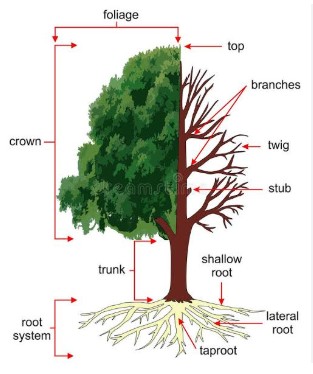
درخت گیاهی چوبی، چندساله و دارای تنه اصلی است که با رشد تدریجی، ارتفاع و قطر آن افزایش مییابد. بیشتر درختان از سه بخش اصلی تشکیل شدهاند:
• ریشه
• تنه
• تاج
هر یک از این بخشها وظایف ویژهای در ادامه حیات درخت بر عهده دارند.
________________________________________
بخشهای اصلی ساختمان درخت
۱. ریشه (Root)
ریشه اندام زیرزمینی درخت است که وظایف متعددی بر عهده دارد.
مهمترین وظایف ریشه
• جذب آب و مواد معدنی از خاک
• استقرار و نگهداری درخت در زمین
• ذخیره مواد غذایی
• ایجاد ارتباط با میکروارگانیسمهای مفید خاک
گسترش ریشهها بسته به گونه درخت، نوع خاک و شرایط محیطی متفاوت است.
________________________________________
۲. تنه (Stem یا Trunk)
تنه مهمترین بخش درخت از دیدگاه صنایع چوب محسوب میشود، زیرا بخش عمده چوب مورد استفاده از تنه به دست میآید.
وظایف تنه عبارتاند از:
• نگهداری شاخهها و تاج
• انتقال آب و مواد معدنی از ریشه به برگها
• انتقال مواد غذایی ساختهشده در برگها به سایر قسمتهای گیاه
• افزایش استحکام مکانیکی درخت
________________________________________
۳. تاج (Crown)
تاج شامل شاخهها، سرشاخهها، برگها، گلها و میوهها است.
مهمترین وظایف تاج:
• انجام فتوسنتز
• تولید مواد غذایی
• تنفس گیاه
• تبخیر آب (تعرق)
• تولید بذر و ادامه نسل
________________________________________
ساختمان داخلی تنه
اگر تنه درخت به صورت عرضی بریده شود، لایههای مختلفی مشاهده میشود که هر کدام عملکرد خاصی دارند.
پوست خارجی (Outer Bark)
بیرونیترین لایه درخت است.
وظایف:
• محافظت در برابر ضربه
• جلوگیری از تبخیر بیش از حد آب
• محافظت در برابر حشرات و عوامل بیماریزا
________________________________________
پوست داخلی (Inner Bark یا آبکش)
در این بخش آوندهای آبکش قرار دارند.
وظیفه آن انتقال مواد غذایی تولید شده در برگها به سایر قسمتهای گیاه است.
________________________________________
کامبیوم (Cambium)
کامبیوم لایهای بسیار نازک اما زنده است که مهمترین نقش را در رشد قطری درخت دارد.
تمام چوب جدید و پوست جدید توسط همین لایه تولید میشود.
کامبیوم را میتوان «کارخانه تولید چوب» نامید.
________________________________________
چوب برون (Sapwood)
چوب برون بخش زنده چوب است.
ویژگیها:
• رنگ روشنتر
• انتقال آب و مواد معدنی
• رطوبت بیشتر
• فعالیت زیستی بالا
________________________________________
چوب درون (Heartwood)
با افزایش سن درخت، بخش مرکزی تنه به چوب درون تبدیل میشود.
ویژگیها:
• رنگ تیرهتر
• استحکام بیشتر
• دوام بالاتر
• مقاومت بیشتر در برابر قارچها و حشرات
• فاقد فعالیت انتقال آب
________________________________________
مغز درخت (Pith)
قدیمیترین بخش تنه است که در مرکز آن قرار دارد.
این قسمت در ابتدای رشد درخت تشکیل شده و معمولاً قطر کمی دارد.
________________________________________
حلقههای رشد سالیانه
درختان مناطق معتدل هر سال یک لایه جدید چوب تولید میکنند.
به این لایهها حلقههای رشد سالیانه گفته میشود.
بررسی این حلقهها اطلاعات ارزشمندی درباره:
• سن درخت
• شرایط اقلیمی
• خشکسالی
• سرعت رشد
• کیفیت چوب
در اختیار پژوهشگران قرار میدهد.
________________________________________
نقش ساختمان درخت در کیفیت چوب
ساختار درخت مستقیماً بر کیفیت چوب اثر میگذارد.
برای مثال:
• سرعت رشد زیاد باعث کاهش چگالی برخی گونهها میشود.
• چوب درون معمولاً دوام بیشتری نسبت به چوب برون دارد.
• سلامت کامبیوم تعیینکننده کیفیت چوب آینده است.
• آسیب به پوست میتواند موجب ورود عوامل بیماریزا و کاهش کیفیت چوب شود.
________________________________________
اهمیت شناخت ساختمان درخت در صنایع چوب
شناخت اجزای مختلف درخت برای متخصصان صنایع چوب اهمیت زیادی دارد زیرا در:
• انتخاب گونه مناسب
• برش تنه
• خشککردن چوب
• حفاظت چوب
• تولید مبلمان
• ساخت سازههای چوبی
• کنترل کیفیت محصولات
نقش تعیینکننده دارد.
________________________________________
جمعبندی
ساختمان درخت مجموعهای هماهنگ از اندامهای مختلف است که هر یک وظیفهای مشخص در رشد، تغذیه، استحکام و ادامه حیات گیاه بر عهده دارند. درک صحیح ساختار درخت، پایهای برای شناخت آناتومی چوب، خواص فیزیکی و مکانیکی و فناوریهای مرتبط با صنایع چوب است. هرچه شناخت ما از ساختمان درخت دقیقتر باشد، بهرهبرداری از منابع چوبی نیز علمیتر، اقتصادیتر و پایدارتر خواهد بود.
________________________________________
پرسشهای متداول (FAQ)
مهمترین بخش درخت برای صنایع چوب کدام است؟
تنه، زیرا بخش عمده چوب صنعتی از آن به دست میآید.
کامبیوم چه وظیفهای دارد؟
کامبیوم لایه زاینده درخت است که چوب و پوست جدید را تولید میکند و موجب رشد قطری درخت میشود.
تفاوت چوب برون و چوب درون چیست؟
چوب برون زنده و مسئول انتقال آب و مواد معدنی است، در حالی که چوب درون معمولاً تیرهتر، مقاومتر و فاقد فعالیت انتقال آب است.
________________________________________
منابع :
• Forest Products Laboratory. Wood Handbook: Wood as an Engineering Material.
• Bruce Hoadley. Understanding Wood.
• Panshin & de Zeeuw. Textbook of Wood Technology.
• Desch & Dinwoodie. Timber: Structure, Properties, Conversion and Use.
________________________________________
درباره دانشنامه چوب ایران
دانشنامه چوب ایران پروژهای علمی، آموزشی و فرهنگی از پایگاه صنعت چوب ایران است که با هدف گردآوری و انتشار دانش معتبر در حوزه علوم چوب، صنایع چوب، فناوری، آموزش و فرهنگ چوب برای دانشجویان، پژوهشگران، معلمان، صنعتگران و علاقهمندان این حوزه تهیه و منتشر میشود.
About the Iran Wood Encyclopedia
The Iran Wood Encyclopedia (IWE) is a scientific, educational, and cultural project developed by Sanat Choob Iran (Iran Wood Industry) to promote reliable knowledge in wood science, wood technology, forestry, timber engineering, furniture manufacturing, and sustainable wood
utilization for students, researchers, educators, and professionals worldwide
Iran Wood Encyclopedia (IWE)
Article IW-0002
Tree Structure: Understanding the Anatomy and Functions of a Tree
Title
Tree Structure: Parts of a Tree and Their Functions
Meta Description
Discover the complete structure of a tree, including roots, trunk, crown, bark, cambium, sapwood, heartwood, growth rings, and their importance in wood science.
________________________________________
Introduction
Trees are among Earth's most valuable natural resources. They provide oxygen, store carbon, protect ecosystems, and supply the raw material for the global wood industry.
Understanding tree structure is essential for forestry, wood science, timber engineering, and furniture manufacturing because the quality and characteristics of wood depend largely on the biological structure of the tree.
________________________________________
Main Parts of a Tree
A mature tree consists of three principal parts:
• Root System
• Trunk (Stem)
• Crown
Each performs specialized biological functions necessary for the tree's growth and survival.
________________________________________
Root System
Roots anchor the tree firmly in the soil while absorbing water and mineral nutrients.
Main Functions
• Water absorption
• Mineral uptake
• Mechanical support
• Food storage
• Interaction with beneficial soil microorganisms
________________________________________
Trunk
The trunk is the most valuable part of the tree for the wood industry.
Its primary functions include:
• Supporting branches and leaves
• Transporting water upward
• Conducting food downward
• Providing mechanical strength
________________________________________
Crown
The crown consists of branches, twigs, leaves, flowers, and fruits.
Its main functions are:
• Photosynthesis
• Respiration
• Transpiration
• Reproduction
________________________________________
Internal Structure of the Trunk
A cross-section of a tree trunk reveals several distinct layers.
Outer Bark
Protects the tree against insects, diseases, weather, and mechanical damage.
Inner Bark (Phloem)
Transports sugars produced by photosynthesis to the rest of the tree.
Cambium
A thin layer of living cells responsible for producing new wood (xylem) and new bark (phloem).
The cambium is often called the growth engine of the tree.
Sapwood
The living outer wood responsible for conducting water and dissolved minerals.
Characteristics:
• Light-colored
• High moisture content
• Physiologically active
Heartwood
The inner, mature wood formed as sapwood ages.
Characteristics:
• Darker color
• Greater durability
• Increased decay resistance
• No water conduction
Pith
The central core of the trunk formed during the earliest stages of tree growth.
________________________________________
Annual Growth Rings
Trees growing in temperate climates usually produce one growth ring each year.
Growth rings provide valuable information about:
• Tree age
• Climate history
• Growth rate
• Environmental conditions
• Wood quality
________________________________________
Importance of Tree Structure in Wood Science
Knowledge of tree anatomy helps professionals in:
• Timber grading
• Wood processing
• Drying technology
• Wood preservation
• Furniture manufacturing
• Structural engineering
• Quality control
________________________________________
Conclusion
The structure of a tree is a highly organized biological system in which every component performs a specific function. Understanding tree anatomy provides the scientific foundation for wood science, forestry, timber engineering, and sustainable utilization of forest resources.
________________________________________
Frequently Asked Questions
What is the most important part of a tree for the wood industry?
The trunk, because it provides the majority of commercial timber.
What is the function of the cambium?
The cambium produces new wood and bark, enabling the tree to grow in diameter.
What is the difference between sapwood and heartwood?
Sapwood conducts water and remains physiologically active, whereas heartwood is older, stronger, and more decay-resistant but no longer transports water.
________________________________________
About the Iran Wood Encyclopedia
The Iran Wood Encyclopedia (IWE) is a scientific, educational, and cultural project developed by Sanat Choob Iran (Iran Wood Industry) to promote reliable knowledge in wood science, wood technology, forestry, timber engineering, furniture manufacturing, and sustainable wood utilization for students, researchers, educators, and professionals worldwide.

خراسان رضوی مشهد
.png)
.png)
.png)
.png)
.png)
فعالیت های این سایت تابع قوانین و مقررات جمهوری اسلامی ایران است.
.jpg "logo")













.jpg)


